Computer vision, language models, agents and robotics projects, each with its code and results.
11 projects
Fashion Catalog VQA - Vision-Language Model
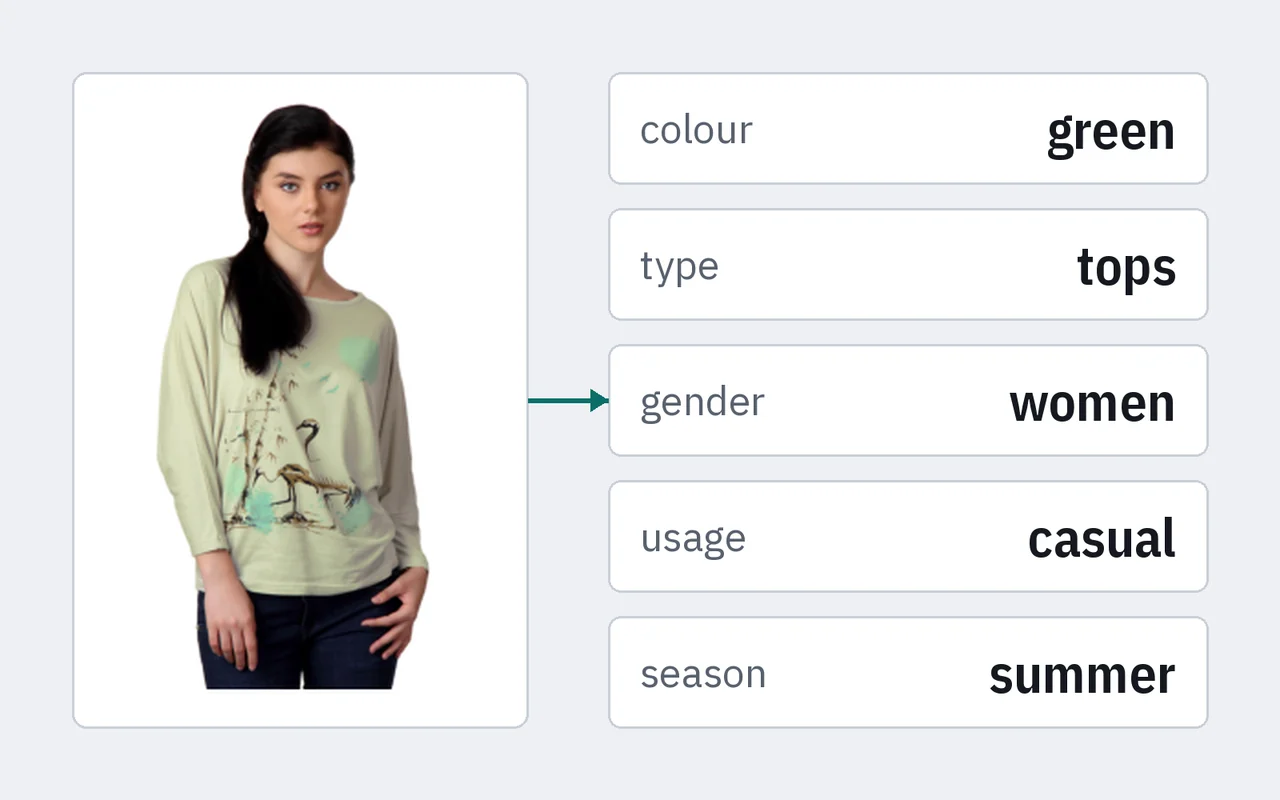
Vision-language model (Qwen2-VL-2B fine-tuned with LoRA) that looks at a fashion product photo and answers in catalog language: color, article type, category, gender, usage, season and a one-line description. Raises exact-match accuracy from 52% (zero-shot) to 90% on held-out products, and includes an inference toolkit for product sheets, top-k confidence, listing audits and batch auto-tagging on a single T4 GPU.
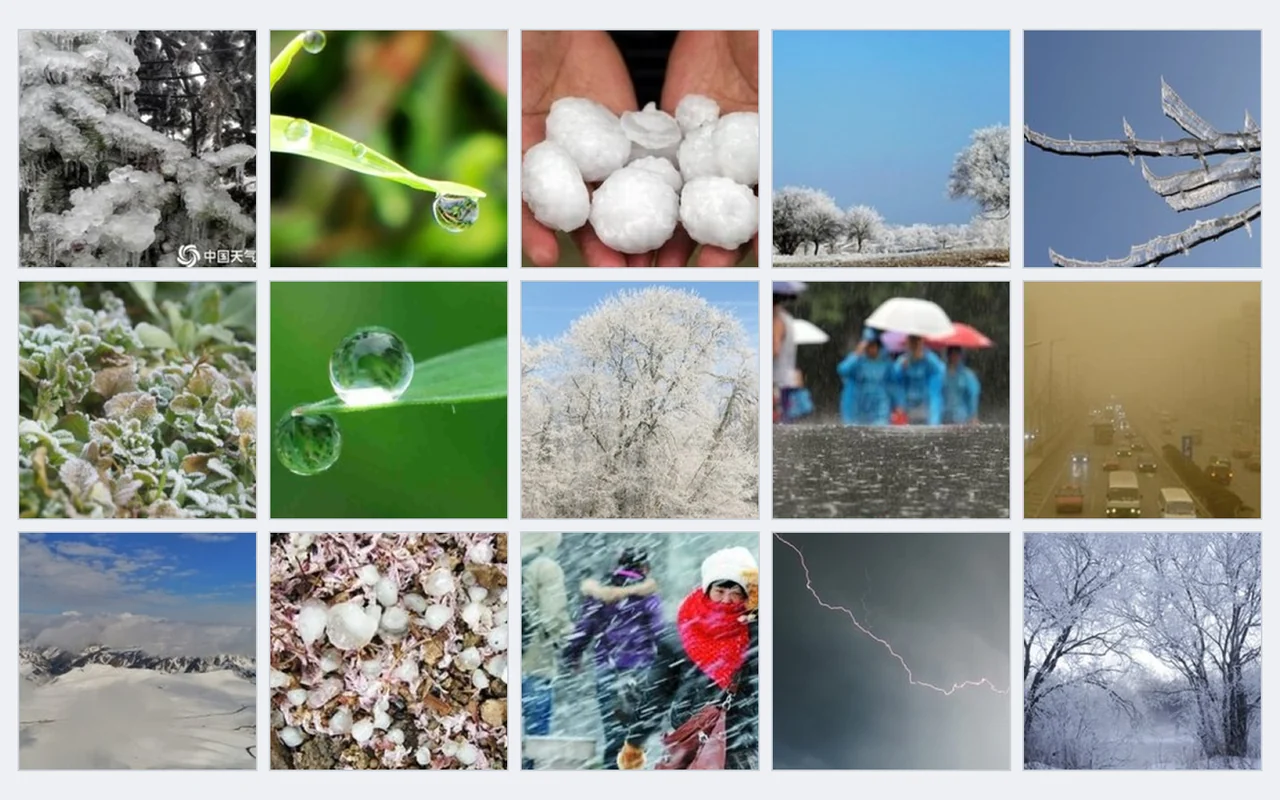
PyTorch reimplementation of Apple's FastViT (ICCV 2023), trained from random initialization on 11 weather classes. Reaches 89.2% test accuracy (0.992 macro ROC-AUC), and structural reparameterization folds every multi-branch block into a single conv for 1.76x faster inference on GPU with identical outputs. Parameter counts of all 7 variants match the timm reference.
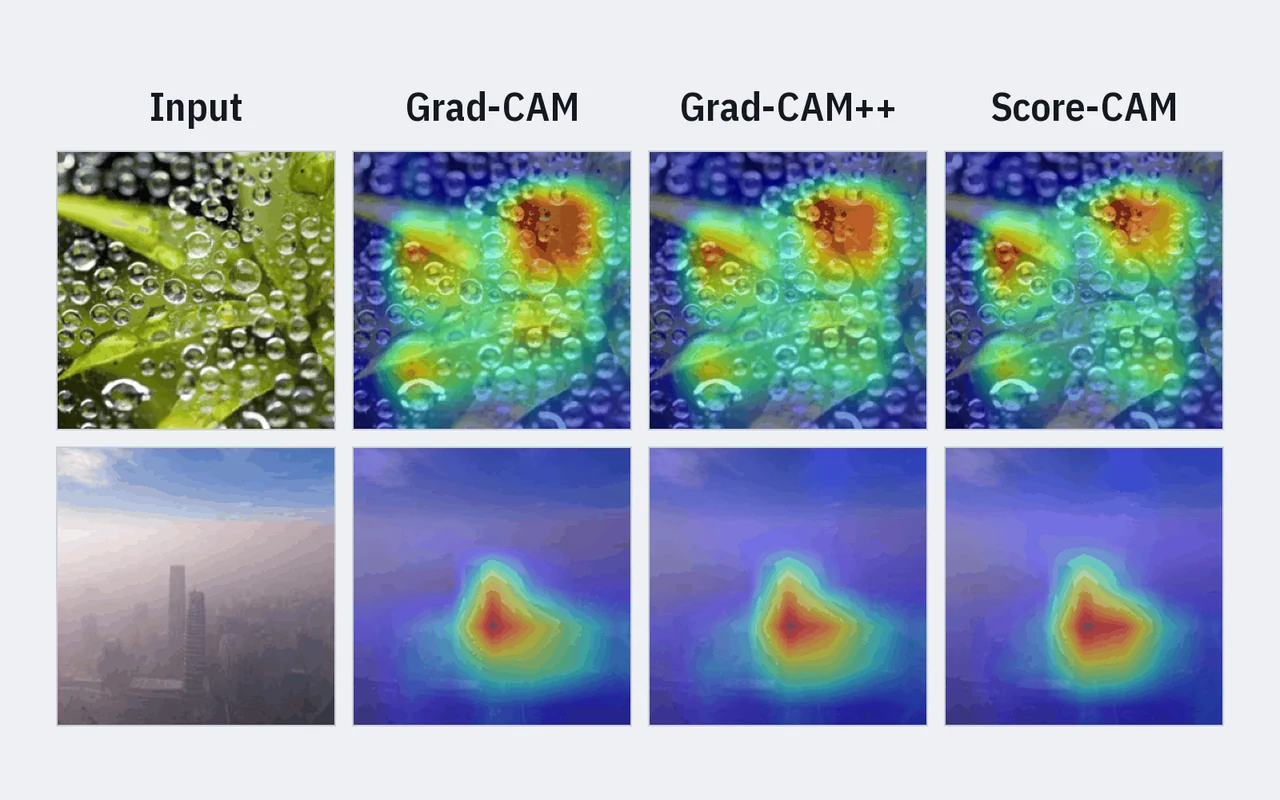
Explainability study that fine-tunes ResNet-50 on 11 weather classes (93.4% test accuracy) while recording Grad-CAM, Grad-CAM++ and Score-CAM after every epoch. All CAM methods are implemented from scratch with forward/backward hooks, and the project measures how attention stabilizes and sharpens during training and where the model looks when it fails.
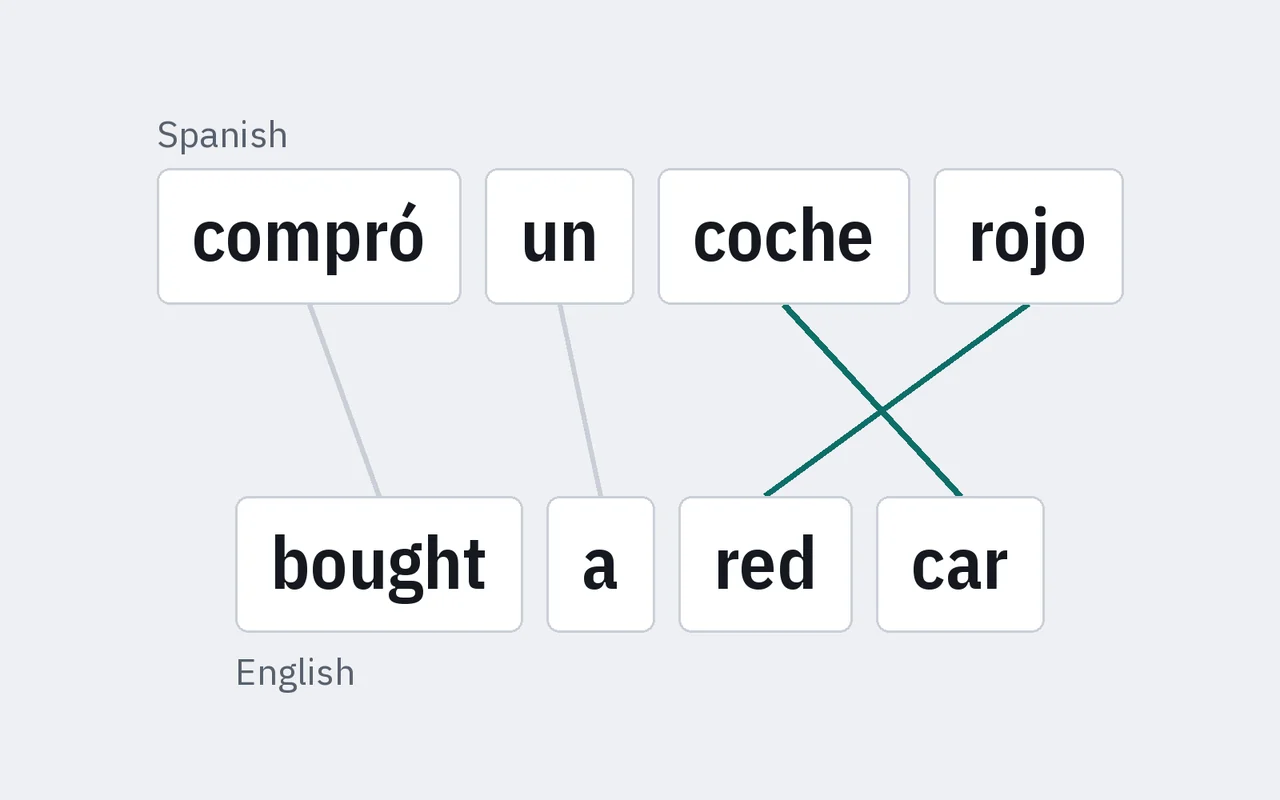
Decoder-only Transformer (minGPT-style, 27M parameters) trained from scratch to translate Spanish into English as conditional language modeling. Uses a custom 16k byte-level BPE, cleaned OPUS-100 + Tatoeba data and length-bucketed batching that cuts padding from 71% to 1.7%, reaching 52.4 BLEU and 67.8 chrF on the test set. Includes a comparison against fine-tuned DistilGPT-2.
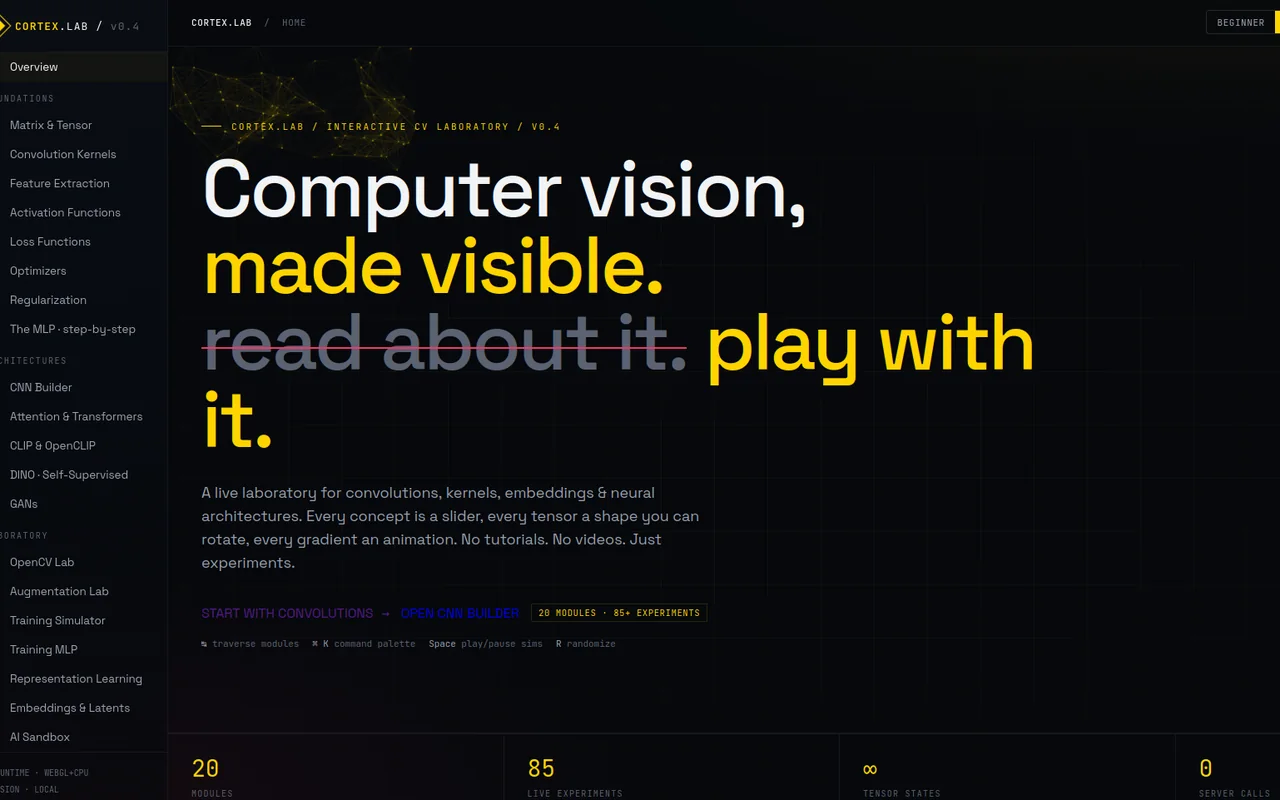
Browser-based interactive lab to build intuition for deep learning: every concept is a slider, every tensor a shape and every gradient an animation. Covers tensors, convolution kernels, activations, optimizers and step-by-step MLP training, plus architecture tours of CNNs, attention, CLIP, DINO and GANs, with OpenCV and augmentation labs. Pure HTML/CSS/JS with zero setup.
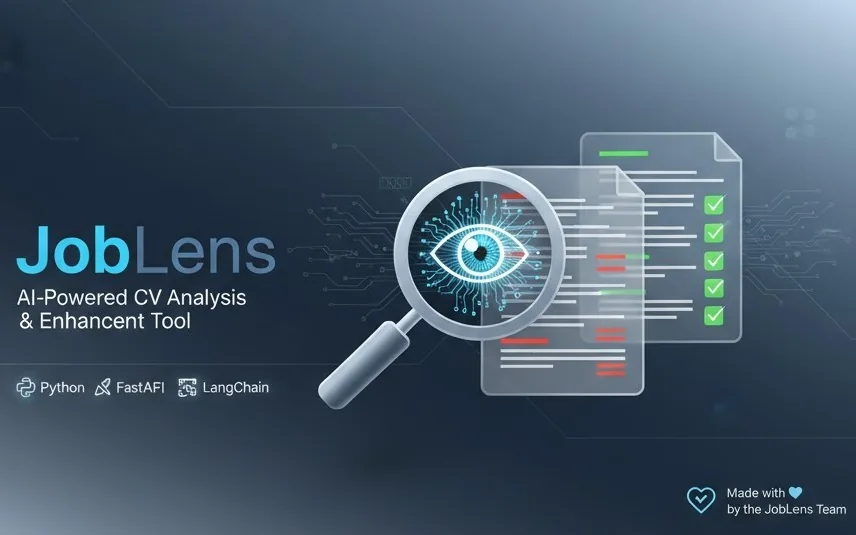
Intelligent CV analysis platform leveraging LangChain, FAISS vector databases, and advanced language models to provide comprehensive resume feedback. Analyzes CV structure, content quality, and job compatibility to help job seekers optimize their resumes for better career opportunities.
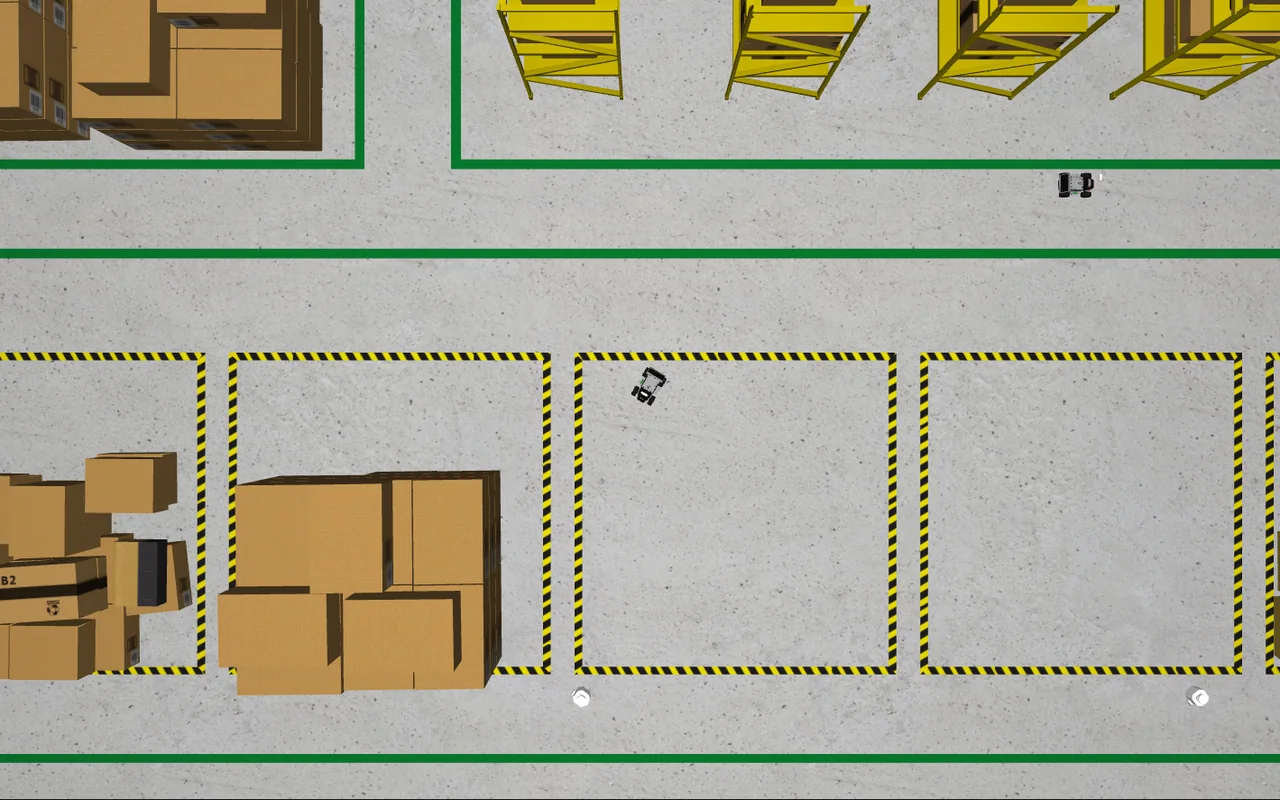
Based on the use of UGVs and ROS2 Humble, applying software architecture techniques and robust design patterns. The results confirmed that, under the master-slave structure, the system completes all assigned tasks, even in case of failure of one or more robots.
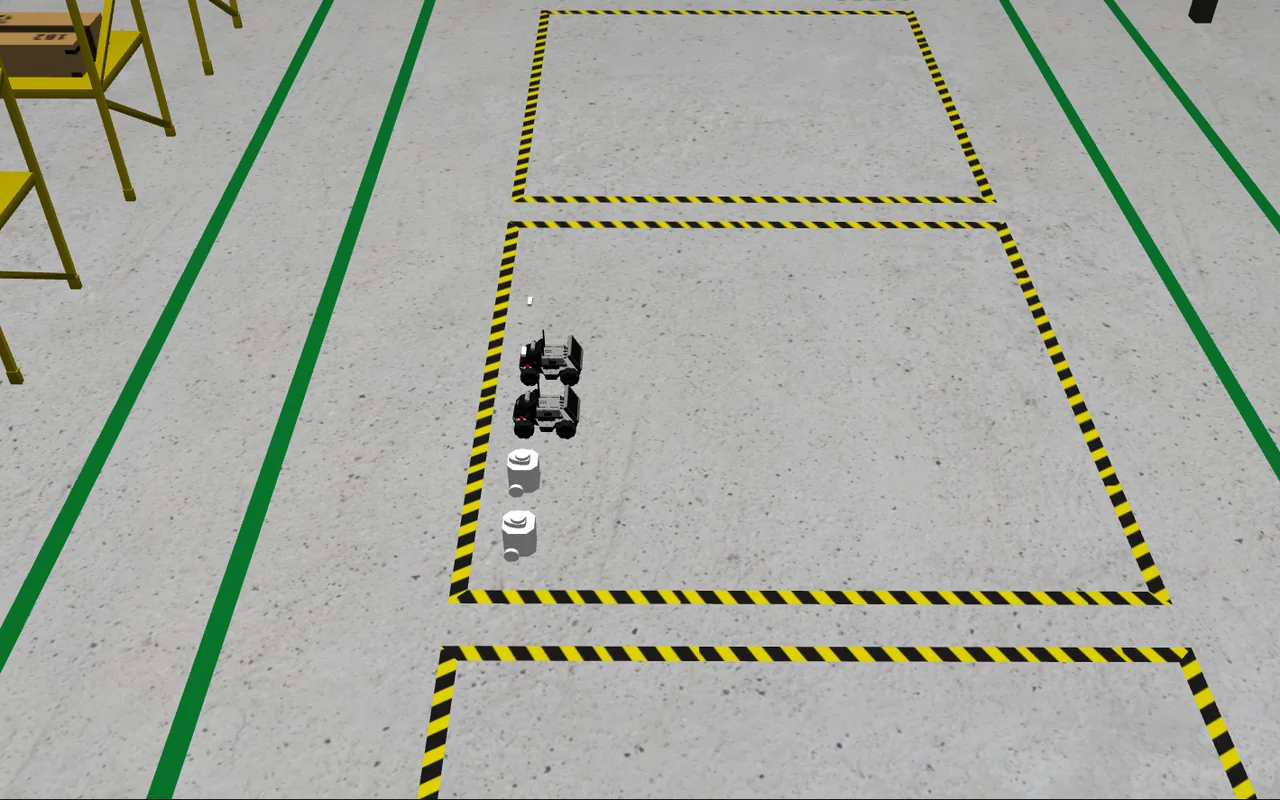
Multi Robot System developed for ROS2 Humble, allows the easy incorporation of several robot models with little configuration. There is no limit on the number of robots, if you incorporate UGV you can provide your parameter file for autonomous navigation.
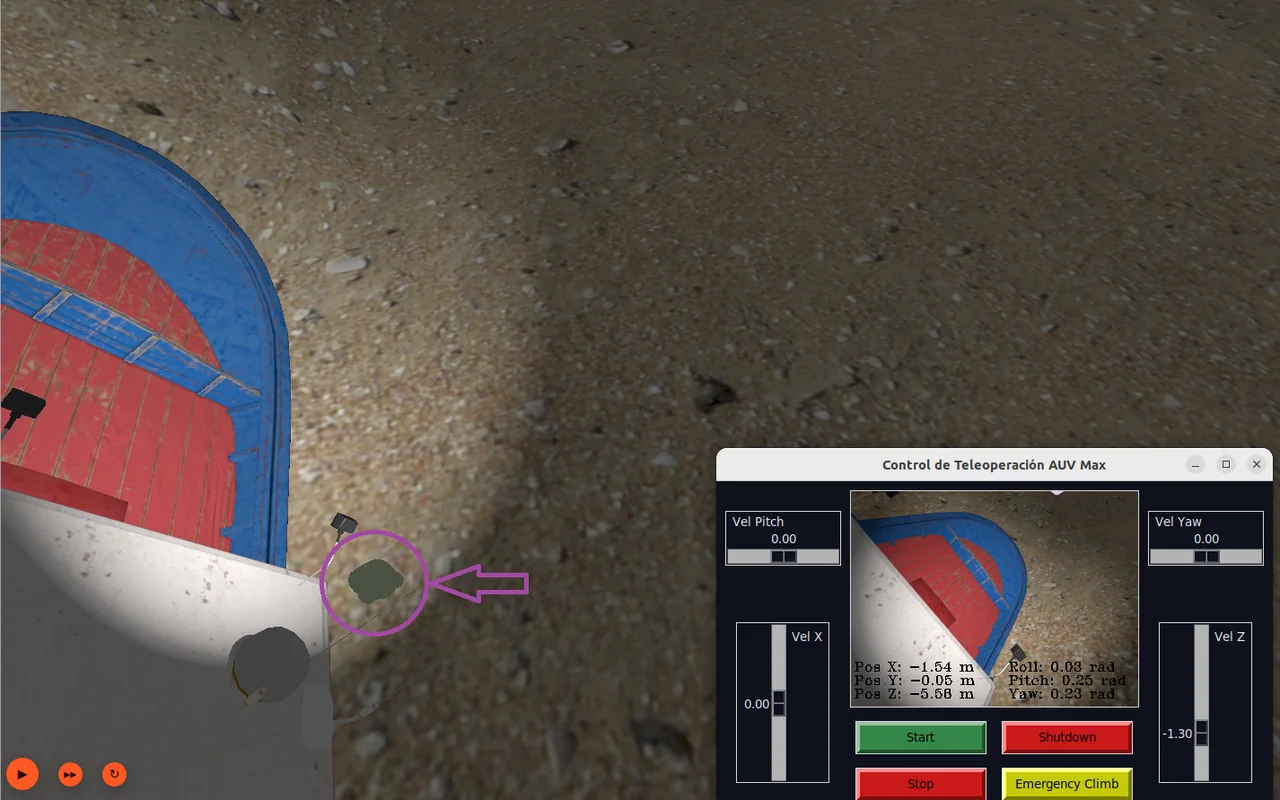
AUV Max: Simulator for Autonomous Underwater Vehicles
It focuses on the development of a submersible UAV, using advanced technologies in robotics, automatic control and machine vision. Developed with ROS2 Humble, Gazebo Garden 7 and Rviz2, this project represents a pioneering effort in the simulation and operation of autonomous underwater vehicles.
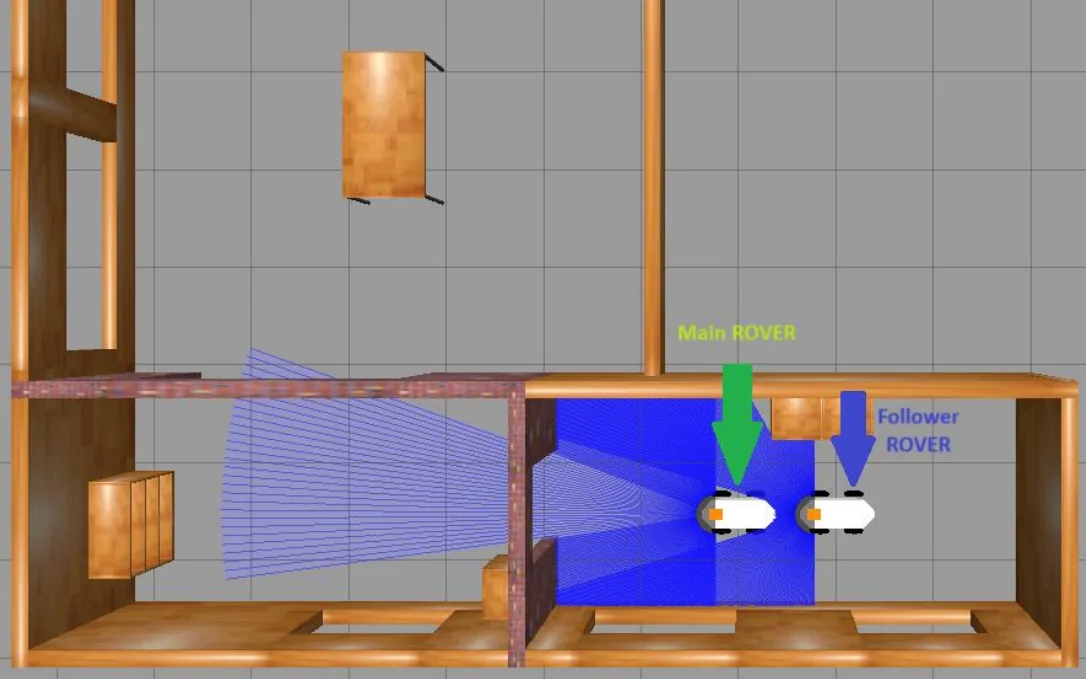
Follower algorithm for TurtleBot3 and ROVER using only 2D LIDAR and traditional control techniques. The algorithm can be run on N robots, achieving a chain of follower robots. No machine vision or anything similar is used in the algorithm.
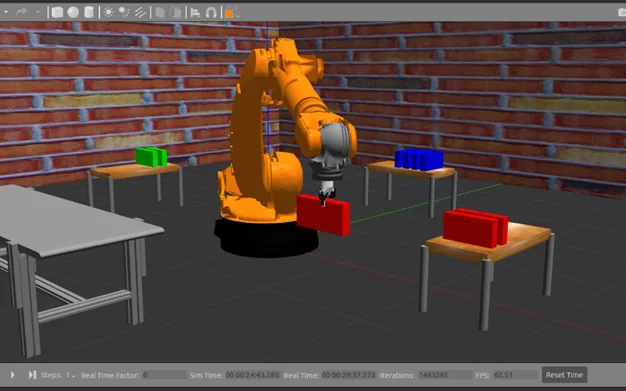
It uses ROS Noetic and MoveIt for motion planning and OpenCV for real-time object detection based on color segmentation. The system ensures accurate trajectory execution and seamless communication between perception and control, enabling efficient and autonomous pick and place operations.